Strategies to Cope with Information Overload and to Limiting Screen Time
TECHNOLOGYMUSINGS
2/8/20257 min read
Understanding Information Overload
You are trying to focus on a task at work. You need to switch from one tool to another. Two minutes after jumping to your browser which has 20 tabs open, you forget what it was that you wanted to search for…
…you are reading an interesting book but after a short while you lose focus and you keep drifting to other thoughts. You don't have the same capacity for deep thought as you used to...
…you spend your last waking moments posting a picture to social media of your dog looking cute. Upon waking in the morning you reach for your phone to check to see the reactions to your post. By the time you get out of bed half an hour later, your brain is filled with thoughts about various social relationships. The rest of your day is filled with bouts of brain fog.
If any of these scenarios have happened to you read on...
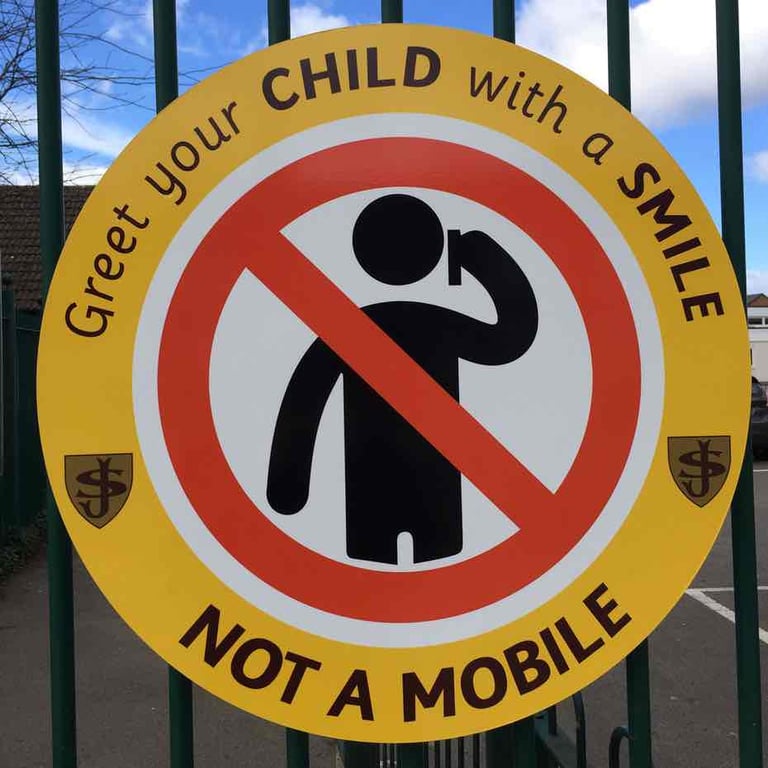



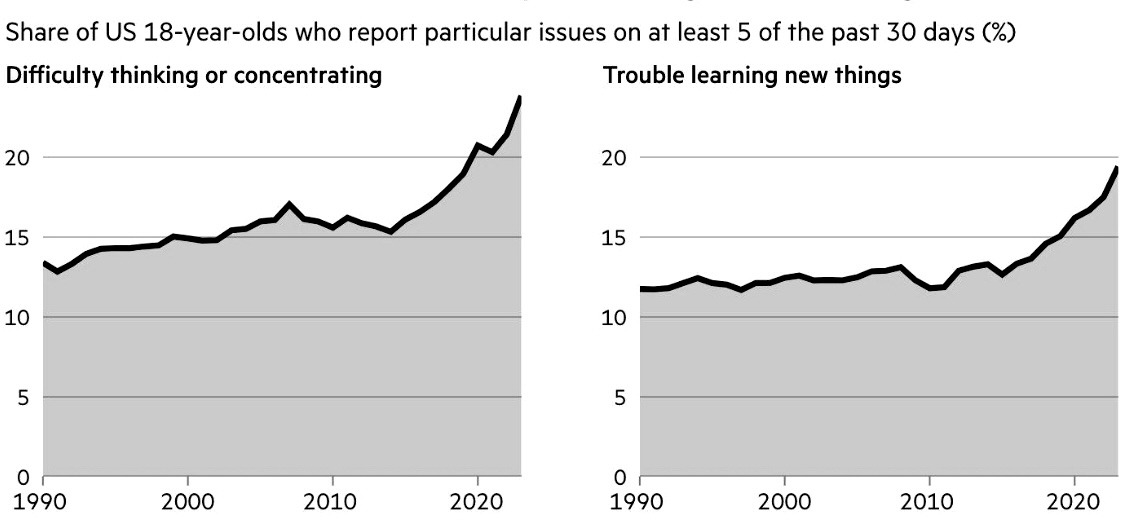
Percentage of US 18 year olds who report particular issues on at least 5 of the past 30 days (Source: Financial Times analysis of Monitoring the Future survey)
Headache city
There is a laundry list of damage that your screen time addiction, mindless scrolling and impulsive tapping is doing to you and possibly your family and friends. As far back as the mid 2010's, former Google executive Tristan Harris set out the ways in which technology is literally hijacking our minds. Jonathan Height, in his 2024 book "The anxious generation: How the great rewiring of childhood is causing an epidemic of mental illness" sets out how Children's brains have been literally re-wired as a result of excessive screen time, disrupting development, including chronic sleep deprivation, social deprivation, cognitive fragmentation, and addiction, leading to shocking spikes in mental illness and suicide rates across many countries. So we need to remind ourselves of the consequences of passive screen time across all aspects of our lives. Don’t get sucked into passive daily consumption of news and videos fed by algorithms. Recognize that these algorithms are hijacking your mind as you are effectively outsourcing your choice of what information to consume to surveillance capitalism. Don’t get stuck in a state of intellectual isolation where your filter bubble prevents you from having meaningful human conversations. If we cannot agree on a common mental model of the world and have a baseline understanding of reality, community and society, this doesn't leave much hope for humanity.
Let's now touch on three elements (barely scratching the surface) that you can consider to adapt your life and habits accordingly. These are: controlling your environment; controlling your time, and mastering your devices.


Control your environment
Bedroom
Get your phone off the bed and preferably out of the bedroom asap. Get your partner to do the same. Cherish ‘slow mornings’, and build healthy habits of disconnecting well before sleep time. You’ll be surprised how soon you become more aware of your thoughts and feelings. Bit by bit, you can master your sleep hygeine to be able to wake up the next day feeling refreshed and ready to live the life you really want. Device-free 30 mins first thing in the morning and last 60 mins at night is a good target to start off with.
Living room
If you want to watch TV, then just watch TV. Pay attention to it or turn it off! If you have a family, make sure you have set screen-free family times for games – card games, board games, puzzles, dancing, charades, whatever. Make a calendar and set reminders – discipline is everything.
Workplace
If you are someone unfortunate enough to have to stare at a computer screen all day for work, it is absolutely imperative to take regular mental breaks. Make sure you are focusing on one task at a time and time-box your effort if needed. This approach allows for deeper engagement and improved retention of information, ultimately counteracting the negative effects of information saturation. Remember: multitasking can lead to cognitive overload, shortened attention span and forgetfulness.
Pomodoros is a good web browser extension that helps you time box tasks to say, 25 mins, and will give you an alert when you need to take a break. It can also be used this sometimes to remind ourselves to take our eyes off the screen (eg following the 20-20-20 rule explained above).
Schedule short intervals to rest your eyes and clear your mind. In China, school children undertake several mandated relaxation breaks where they each follow a set meditation and self massage practice, rubbing their face with their eyes closed while listening to a relaxing beat. Integrating these breaks into an office or school routine not only prevents burnout but also enhances overall productivity and creativity. Try to adopt the 20-20-20 rule for eye health. Every 20 minutes stare out the window for at least 20 seconds at something at least 20 meters away.
Control your time
Daily routines
Being disciplined about your daily routine is crucial for mental and physical health which will aid in your fight against information overload. Every organ and cell in our body operates on a 24 hour cycle – for our organs and cells to be at their best, we should stick to the same times for eating and sleeping as much as possible. If you are a morning person, get your workouts done in the morning. If you live in a city, recognize that you can suffer from cabin fever and the detachment from nature does affect mental health and stress. Ideally don't live in a big city in the first place. If you must, make sure you make time for escaping to the hills, the coast, the quiet periphery - anywhere you can be closer to nature.
Weekly routines
Spending time in nature offers numerous mental health benefits that don’t need to be repeated here. Appreciate the solitude, the natural sounds, good company if you have it – all of this is guaranteed to reduce your stress and anxiety, helping you feel calmer and more in control of your thoughts.
Master your weapon of mass distraction
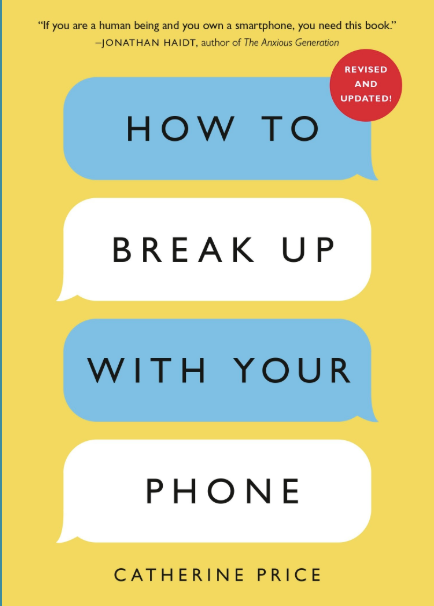
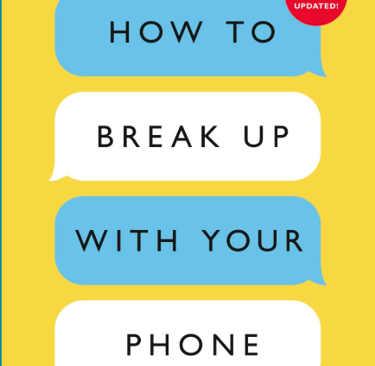
Everyone needs to be trained on how to use their weapons of mass distraction (aka 'phones') appropriately and not succumb to passive screen addiction. The constant influx of information overwhelms us and affects those around us. At a minimum, turn off as many notifications as possible. Set specific times for checking emails and social media. Leverage the ‘screentime’ app if you use iphone to timebox your access to certain apps. Communicate your boundaries to others to help reinforce the practice. Consider reading the book “How to break up with your phone” to formulate a good approach to controlling screen time.
Practice hand writing and journaling to organize your thoughts, life and daily tasks. If you can’t bring yourself to this and must use a computer to manage your affairs, there are some good personal project management tools available, both offline (installed locally on your desktop) like Focalboard, and online (web apps) like Todoist or Trello. Going offline (a program installed on desktop only) or using physical pen and paper to do admin / project management work to arrange tasks, decide priorities etc will minimize the risk of getting distracted versus when doing this being online and available to the world.
Remove the spam in your life. A digital clear out should be done every 1-2 months. Simply re-assess the content you are consuming and apps you spend time on. Delete everything you don’t use regularly. Unsubscribe from newsletters, mute accounts, and declutter your social media feeds, or better still, just close any social media accounts that are not benefiting your state of mind. Engaging solely with content that inspires or educates can enhance your experience, minimizing the risk of information overload.
Conclusions
We are the first generation for whom living well is impossible if we don’t actively manage our attention (and the last generation, if you are over 30, who can remember what life was like before having the internet dominate much of our waking lives). We are all reaching our limits of what we can cope with as we struggle to get things done, have meaningful, extended conversations with those around us, and lose sight of what’s important in life and how short it really is as we get swept along in the torrent of messages each day. We need to recognize that managing and controlling our screen time is crucial for limiting mental and avoiding physical illness and excessive cognitive decline as we age. It’s crucial for managing relationships and for ensuring the well-being of future generations and society at large.
Try to embrace the beauty of boredom and the abundance of less: Our brains are actually most productive when there is no demand that they be reactive. If you want to recover your human agency and sovereignty of mind, we need to get comfortable with less. Less stuff, less stimuli, less food, less devices, less plans. Our brain is a restless creature that wants to find the most interesting thing it can to attend itself to. If we are always checking your phone, our brain will always respond to what is on the phone. It’s when the brain loses the ability to be reactive and starts getting bored that it turns inward to our imagination. Not all information is essential. We need to take the time to evaluate what truly matters to us and prioritize our sources of information accordingly.
If all else fails, just go and listen to some Bob Marley, and everything will be alright...